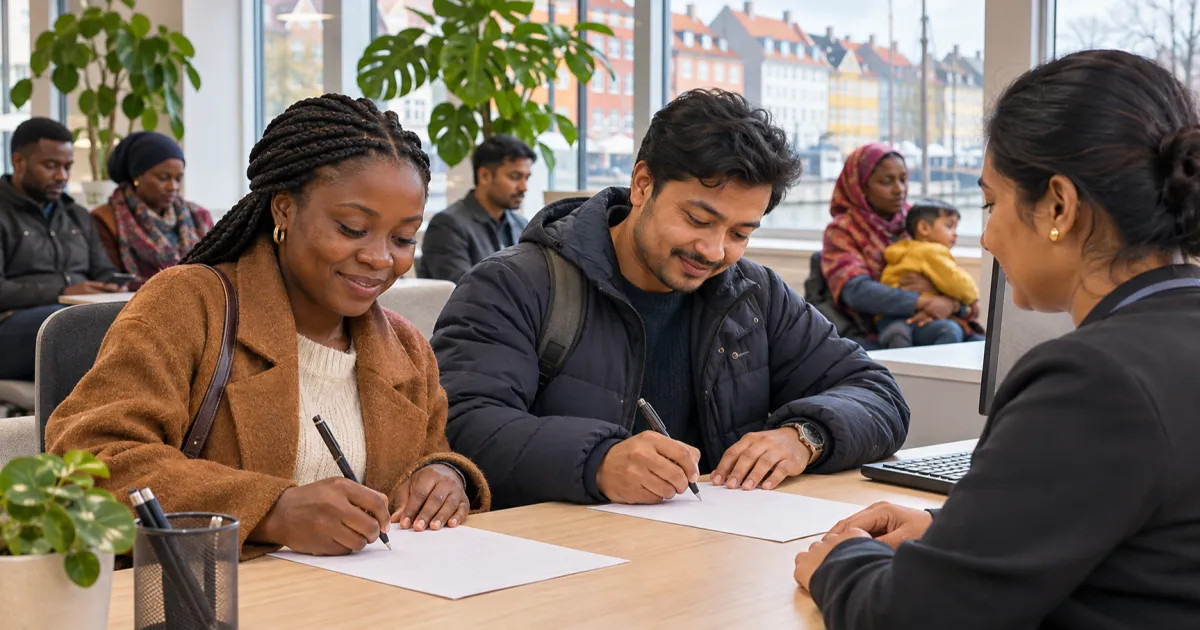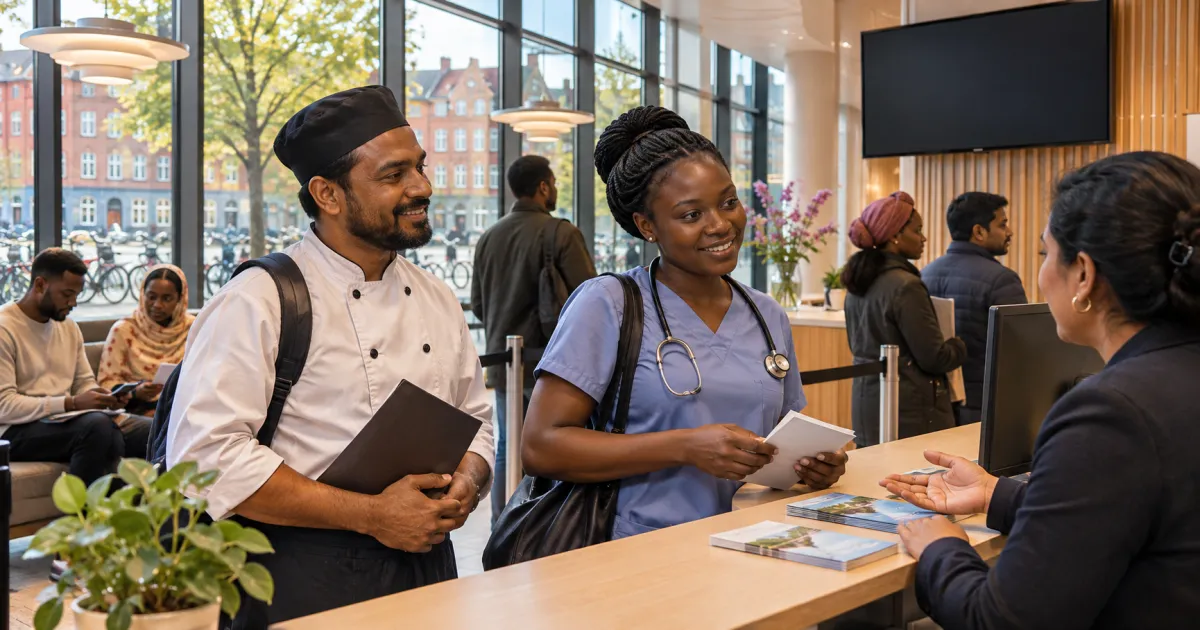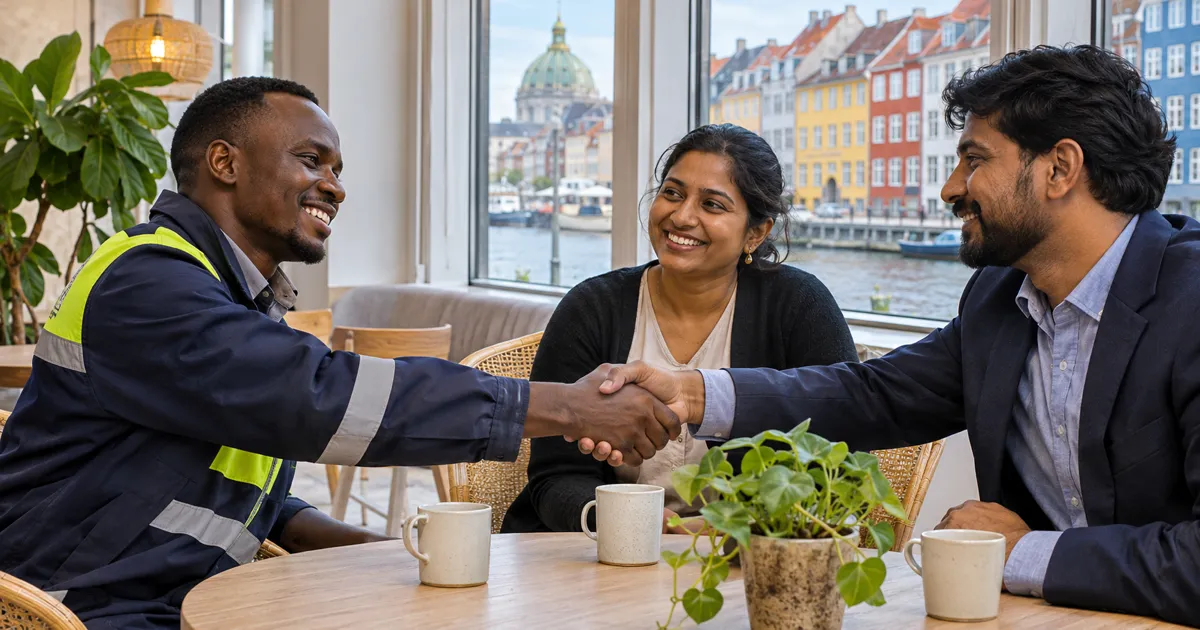
Danish employers want a short, tailored CV that opens with a few lines summing up why you fit the job, a one page cover letter written for that specific role, and an interview that feels like an equal conversation. Unlike many countries, Denmark expects some personal details, such as your family situation and hobbies, because employers want to know whether you will settle and stay. Above all, they look for evidence of results, teamwork and an honest, modest tone.
The CV: short, targeted, with a profile at the top
Workindenmark, the Danish public employment service for international recruitment, advises that a Danish CV should contain only what is relevant to the job you apply for. It is common to start with a short personal profile of four to eight lines, sometimes next to a photo. This summary should let a recruiter see within seconds whether you match the vacancy. List your top three competences for the job, usually your degree, related experience and your reason for coming to Denmark.
Rewrite the profile for every application. Danish recruiters notice a generic summary at once.
Work experience: what you did and what changed
For each job, Workindenmark recommends that you explain the employer briefly: what it produces, its size and where it is. Then describe your role, your daily tasks and who you worked with, and finally what you achieved, with numbers where possible. A line such as "reduced design turnaround from seven to five working days" says more than a list of duties.
Include student jobs, volunteering, internships and fixed term contracts if they are relevant. If you leave out details, recruiters assume a job was ordinary full time paid work, so be clear about part time roles or short contracts.
Personal details: more than you might expect
This is where Denmark differs from the UK or the US. According to Workindenmark's guide to personal details, it is normal to include your age, whether you are married and have children, and what you do in your free time. Employers see this as a sign of how well you will thrive and whether you will stay. If you plan to move with a partner, it is fine to say so. Put this in a short final section called "About me" or "Interests".
The cover letter
A cover letter is often as important as the CV in Denmark. Workindenmark says it should be no more than one page and written for each position. Do not repeat your CV. Pick the key requirements in the job advert and show, with examples, how your skills match them. End by saying you look forward to discussing the role.
Unsolicited applications
Many jobs in Denmark are never advertised. Workindenmark notes that it is common to send an unsolicited application, ideally after a phone call. Research the company, find the right person on LinkedIn and explain what the company would gain by hiring you, such as knowledge of your home market.
The interview: equal, informal and on time
Danish interviews follow unwritten rules:
- On time means ready. If the interview is at 10:00, you should be seated and ready at 10:00, not arriving then.
- Greet everyone. The receptionist and cleaner count. Shake hands with each interviewer, briefly and firmly, at the start and at the end.
- It is a two way talk. Bring written questions and ask them during the conversation. Not asking questions can look like low interest.
- Dress smart casual. Formal suits are mainly for finance and senior roles. If unsure, dress slightly up.
- Expect tests and rounds. Practical and personality tests are common, and you may meet a recruiter first and the manager last.
Questions to prepare for
If you reach the interview, your technical skills are mostly accepted. Workindenmark's question guide says most of the time goes on personal and behavioural questions to see whether you fit the team and share the company's values. Prepare examples for questions such as "How well do you fit into a group?", "What would your colleagues say about you?" and "Give an example where your ideas met resistance". Have at least three examples of success, and one or two of failure and what you learned.
Avoid boasting. Confident but modest answers that give credit to the team land better than claims of being the best.
After the job offer
The workplace culture you are applying to is informal: everyone uses first names, including the boss, and a normal full time week is 37 hours. If you need a work permit, check whether your offer meets a scheme such as the pay limit scheme, where the 2026 minimum is DKK 552,000 a year.
Questions people ask
How long should a CV be in Denmark?
Keep it short and focused on the job. Start with a personal profile of four to eight lines, then relevant experience with results.
Should I put my age and family on a Danish CV?
Yes. Workindenmark says it is normal to include your age, whether you are married or have children, and your interests.
How long should a Danish cover letter be?
No more than one page, written specifically for each job you apply for.
What questions are asked at a Danish job interview?
Mostly personal and behavioural questions about teamwork, values and how you handle problems, alongside some technical questions.
Is it normal to apply to a Danish company with no vacancy?
Yes. Many jobs are never advertised, and unsolicited applications after a phone call are common.
Official sources: Workindenmark: A good personal profile counts, Workindenmark: Work experience in your CV, Workindenmark: Personal details in your CV, Workindenmark: Your cover letter, Workindenmark: Norms and rules of the job interview, Workindenmark: Interview questions, Workindenmark: Unsolicited application, Workindenmark: Workplace culture in Denmark, SIRI, New to Denmark: Pay limit scheme